
 Available in US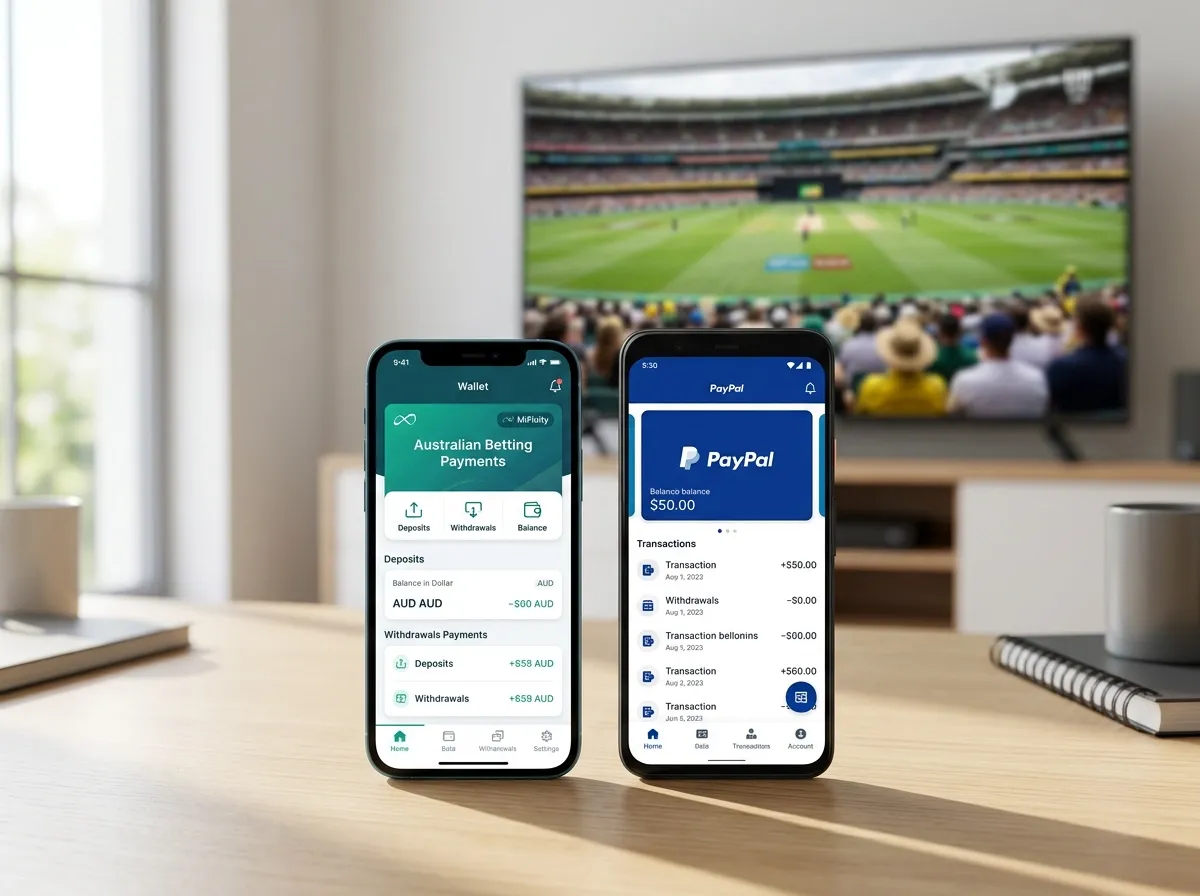
Contents
Two Different E-Wallets, Two Different Approaches to Gambling
PayPal is the most recognised e-wallet brand in Australia. Almost everyone has one, and the assumption that it works for everything – including betting – is understandable. But I have spent years watching punters hit a wall when they try to use PayPal at a sportsbook and discover that the world’s largest digital wallet has a deeply complicated relationship with gambling. 68% of online gamblers in the US prefer e-wallets over cards, but not every e-wallet is built to serve them.
MiFinity and PayPal are both e-wallets in name, but they serve fundamentally different markets. PayPal is a generalist payment platform optimised for retail e-commerce. MiFinity is a specialist wallet built for iGaming. That distinction shapes every feature comparison: sportsbook availability, fee structures, regulatory positioning, and how each platform treats gambling transactions. Digital wallets account for 31% of e-commerce payments in Australia, and PayPal captures a major share of that. But the e-commerce percentage and the gambling percentage are different pools with different rules.
The closer contest is against Skrill and Neteller.
Where Each Wallet Is Accepted for Betting in Australia
MiFinity integrates with over 1,200 iGaming brands globally. Every one of those integrations exists because MiFinity deliberately pursued iGaming as its core market. Kris Deyanov, MiFinity’s Head of Business Development, has described how operators relying on card payments face commercial challenges including lower approval rates, issuer-driven declines, and chargeback exposure. MiFinity’s operator pitch is that it solves those problems, and that pitch only works because the wallet is designed for gambling merchants.
PayPal’s sportsbook availability in Australia is limited and conditional. PayPal restricts gambling transactions based on the operator’s licensing, jurisdiction, and PayPal’s own internal gambling policies. Some licensed Australian sportsbooks accept PayPal; many do not. Offshore operators are almost universally excluded from PayPal’s gambling permissions. If your preferred sportsbook does not appear in PayPal’s approved merchant list for gambling, the transaction will be declined – and PayPal’s customer service is unlikely to override it.
The practical gap is wide. A punter with a MiFinity account can deposit at most MiFinity-integrated sportsbooks without wondering whether the wallet will approve the transaction. A punter with PayPal needs to verify, site by site, whether PayPal is even available as a deposit option – and availability can change without notice if PayPal updates its gambling policies for a specific operator or jurisdiction.
Fee Differences for Betting Deposits and Withdrawals
Fee comparisons between MiFinity and PayPal are complicated by the fact that PayPal’s gambling transaction fees are not always transparently published. PayPal charges vary by merchant category, currency, and whether the transaction is classified as a personal payment, a purchase, or a gambling deposit. The classification affects both the fee structure and whether the transaction is permitted at all.
MiFinity’s fees for gambling transactions are more straightforward because gambling is its primary use case. Deposit fees depend on your funding method – card top-ups, bank transfers, and eVouchers each carry different charges. Withdrawal fees from sportsbooks to your MiFinity wallet are typically modest, and the wallet-to-bank withdrawal leg has its own fee schedule. The total cost is knowable in advance because the fee structure is designed for the exact transaction type you are performing.
PayPal’s currency conversion fees tend to be higher than MiFinity’s for cross-currency gambling transactions. PayPal applies its own exchange rate (which includes a margin above the mid-market rate) plus a conversion fee. For punters betting at sportsbooks denominated in EUR or USD, these stacked fees can erode value quickly. MiFinity’s conversion fees are present too, but the rates are generally more competitive for iGaming transactions because the wallet’s pricing is calibrated for this market segment.
PayPal’s Gambling Policy vs MiFinity’s iGaming Focus
Here is the fundamental difference that matters more than any fee comparison. PayPal treats gambling as a category to manage – a compliance risk to be contained within strict policy boundaries. MiFinity treats gambling as a category to serve – its business model, revenue base, and product roadmap all revolve around iGaming.
PayPal can and does suspend accounts for gambling-related activity if it detects transactions it considers policy violations. Punters who use PayPal for everyday purchases and occasional gambling face the risk that a gambling deposit triggers a review, a hold, or an account limitation that affects their non-gambling payments too. Your PayPal account handles your eBay purchases, your online subscriptions, and your peer-to-peer transfers – a gambling-related restriction disrupts all of those.
MiFinity does not carry this cross-contamination risk. The wallet exists for iGaming, and your gambling activity is expected, not exceptional. No account review for depositing at a sportsbook. No policy friction when you withdraw winnings. No risk of losing access to a payment tool you depend on for other purposes because the provider decided to tighten its gambling restrictions.
There is also a practical consideration around account recovery. If PayPal limits your account for gambling-related reasons, the appeal process can take weeks. During that time, any funds in your PayPal balance are frozen – including non-gambling money. MiFinity, as a single-purpose wallet, does not have competing policy priorities that could spill over and affect your access to funds.
For punters who already have PayPal and find it works at their preferred sportsbook, there is no compelling reason to switch based on ideology alone. But for anyone experiencing PayPal limitations – declined gambling transactions, account reviews, restricted operators – MiFinity resolves those specific problems because it was built to serve the market that PayPal keeps at arm’s length.
For a broader comparison of MiFinity against other specialist e-wallets used in Australian betting, I covered the full breakdown in the MiFinity vs Skrill vs Neteller comparison.
Does PayPal allow sports betting deposits in Australia?
PayPal permits gambling transactions at some licensed Australian operators but not all. Availability depends on the specific sportsbook's relationship with PayPal and PayPal's internal gambling policies. Offshore operators are generally excluded. Check your sportsbook's cashier page for current PayPal availability.
Are MiFinity's gambling-specific features worth switching from PayPal?
If you are experiencing PayPal limitations - declined gambling transactions, restricted operators, or account reviews triggered by betting activity - MiFinity resolves those issues because it is built specifically for iGaming. If PayPal works reliably at your preferred sportsbook, the switch is a matter of optimising fees and accessing MiRewards benefits.
Can I transfer funds between PayPal and MiFinity?
Direct transfers between PayPal and MiFinity are not supported. To move funds, you would need to withdraw from one wallet to your bank account and then fund the other wallet from the bank. This introduces processing delays and potential fees on both legs.
The overview lives in our complete guide for Australian punters.
