
 Available in US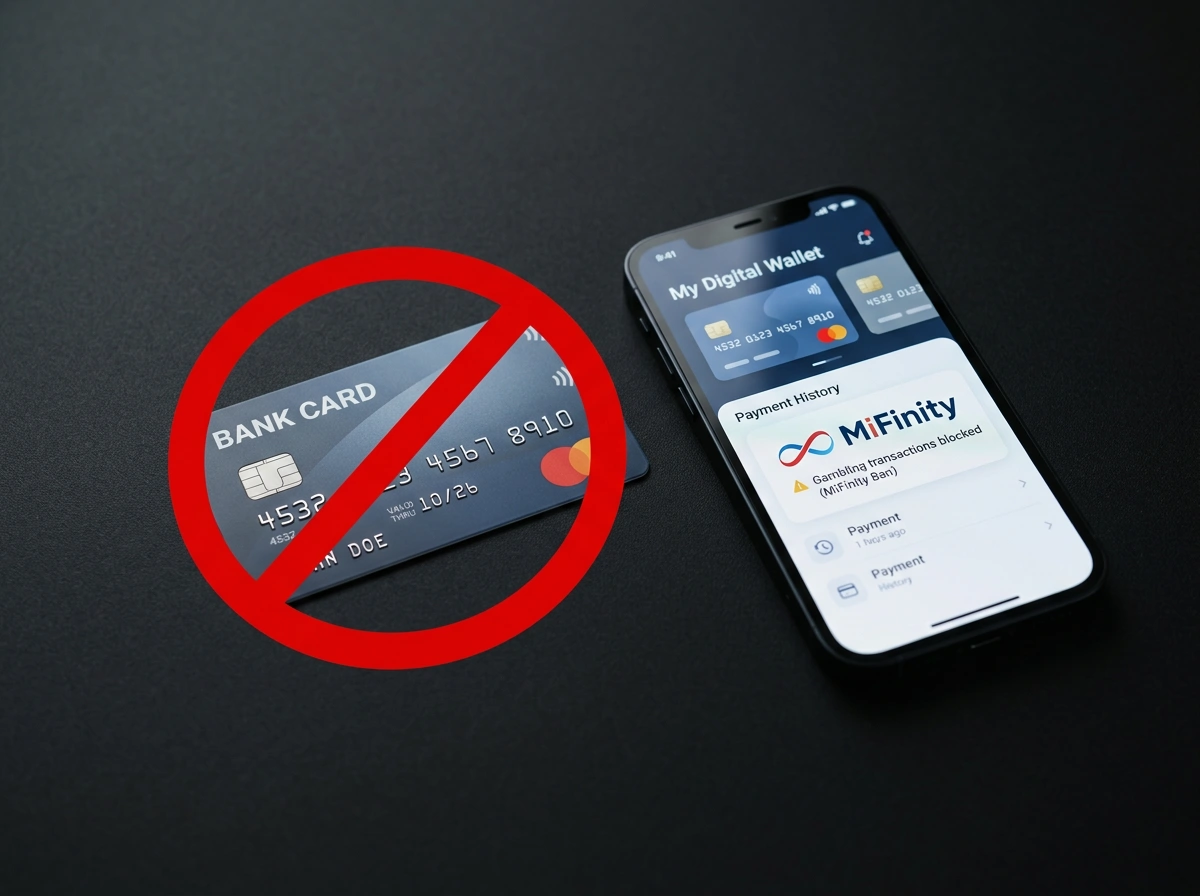
Contents
What the June 2024 Credit Card Ban Changed for Australian Punters
On 11 June 2024, Australia banned credit cards and cryptocurrency for online gambling deposits. Overnight, millions of punters lost access to the funding method they had used for years. The ban was not unexpected – it had been debated for months – but the speed of behavioural adjustment it forced was remarkable. One day you could tap a credit card to fund a bet. The next day, the same tap returned a declined transaction and a search for alternatives.
BetStop, the national self-exclusion register, had already accumulated significant enrolments by that point. By 31 March 2026, the register recorded 59,830 total registrations, with 37,247 active exclusions. The credit card ban was part of a broader regulatory push to reduce gambling harm, and for many punters, it succeeded in forcing a pause – at least long enough to find a new payment method. Whether it reduced actual gambling spend is a different question. The data suggests punters adapted rather than abstained.
I was advising three sportsbook operators on payment integration when the ban landed. The volume shift was immediate: card deposit attempts dropped to zero on the enforcement date, and e-wallet registrations at MiFinity and its competitors spiked within the first week. The operators who had already integrated MiFinity saw minimal revenue disruption. Those who had treated e-wallets as an afterthought scrambled to onboard them.
What the Ban Covers and Penalties for Operators
The ban is more specific than most people realise. It prohibits the use of credit cards and digital currencies for deposits at licensed online gambling services. Debit cards, bank transfers, and e-wallets funded by debit transactions remain fully legal. The distinction is between borrowed money (credit) and your own money (debit, bank balance, pre-funded wallet). Communications Minister Michelle Rowland framed it clearly: “Australians should not be gambling with money they do not have.”
Penalties for operators who accept prohibited payment methods reach up to $247,500 per violation. That is significant enough to ensure compliance among licensed operators, who cannot afford regulatory sanctions that could threaten their licence. The enforcement mechanism works through the operators’ payment processing systems – card networks and payment gateways are configured to block credit card transactions categorised under gambling merchant codes.
Where enforcement gets complicated is with offshore operators. The ban applies to services offered to Australians, but offshore sportsbooks operating outside Australian jurisdiction are notoriously difficult to regulate. An unlicensed operator in Curacao faces no practical risk from Australian penalties. This gap partly explains why the offshore market – estimated at US$2.5 billion annually – continues to grow despite domestic regulatory tightening.
The Shift to E-Wallets After the Ban
What replaced the plastic was the digital wallet.
Digital wallets already accounted for 31% of e-commerce payments in Australia before the ban. In the gambling sector, the shift accelerated dramatically after June 2024. Punters who had never considered an e-wallet suddenly needed one, and the market responded. 68% of online gamblers in the United States already preferred e-wallets for gambling transactions before any credit card ban existed there – Australia was catching up to a global trend, pushed by regulation rather than choice.
MiFinity was well-positioned for this moment. The wallet is built specifically for iGaming, which means its operator integrations, compliance framework, and user experience are all optimised for gambling transactions. Generalist wallets like PayPal have restrictive gambling policies that limit their utility for bettors. MiFinity does not have that friction – gambling deposits are its core use case.
The wallet’s support for 18 currencies and over 80 funding methods gave Australian users flexibility in how they loaded their wallets post-ban. Debit card top-ups – explicitly allowed under the ban – became the primary funding route, with bank transfers as a secondary option for larger amounts. eVouchers offered a third path for punters who wanted to separate their banking from their betting entirely.
The global digital wallet market is projected to grow from $56.77 billion in 2025 to $145.35 billion by 2030. The Australian credit card ban is one regulatory catalyst within a much larger adoption trend, and MiFinity’s growth trajectory – reaching one million accounts in early 2025 – reflects both the macro trend and the specific regulatory moment.
How MiFinity Positioned Itself Post-Ban
MiFinity did not become an Australian payment alternative by accident. The company had been building its iGaming merchant network for years, and by the time the credit card ban hit, MiFinity had crossed 1,000 brand integrations – growing to over 1,200 by 2025. That pre-existing infrastructure meant sportsbooks could offer MiFinity to their Australian customers immediately, without a multi-month integration project.
The launch of MiRewards in February 2026 – a four-tier loyalty programme rewarding transaction activity – was another step in the post-ban positioning. By offering tangible benefits for routine payment activity, MiFinity created an incentive for punters to consolidate their deposits through the wallet rather than spreading across multiple payment methods. The programme is calibrated for regular use, with tier progression tied to transaction volume rather than account age.
Kris Deyanov, MiFinity’s Head of Business Development, described the broader challenge facing operators who rely on card payments: lower approval rates, issuer-driven declines, rising transaction costs, and chargeback exposure. Those problems existed before the credit card ban but became more visible when Australian operators needed to pivot their payment stacks. E-wallets solve several of those problems simultaneously – higher approval rates because the wallet pre-authorises the funds, no chargeback risk because the transaction is wallet-to-merchant rather than card-to-merchant, and lower processing costs for operators who negotiate volume-based wallet fees.
For a detailed look at MiFinity’s security and regulatory credentials, I have covered the licensing structure in the safety assessment guide.
Can I still use a debit card at Australian betting sites after the credit card ban?
Yes. The ban specifically targets credit cards and digital currencies. Debit cards, bank transfers, and e-wallets funded by debit transactions or bank transfers remain fully legal for gambling deposits at licensed Australian operators.
Did the credit card ban affect MiFinity deposits?
No. MiFinity deposits to sportsbooks are wallet-to-merchant transfers, not credit card transactions. As long as you fund your MiFinity wallet using a permitted method - debit card, bank transfer, or eVoucher - your deposits to gambling sites are unaffected by the ban.
Are there other e-wallets that benefited from the Australian credit card ban?
Several e-wallets saw increased adoption after the ban, including Skrill and Neteller. However, MiFinity's iGaming-specific design, broad operator integration network, and AUD support positioned it particularly well for Australian punters transitioning from credit card deposits.
The heart of the site is our complete guide for Australian punters.
